The TI:GER Program (Technology Innovation: Generating Economic Results) at the Georgia Tech Scheller College of Business merges classroom instruction, technology innovation projects, and practical, real-world experiences. It brings together MBA and Ph.D. students who collaborate in teams to develop their entrepreneurial ideas into impactful technology innovation projects.
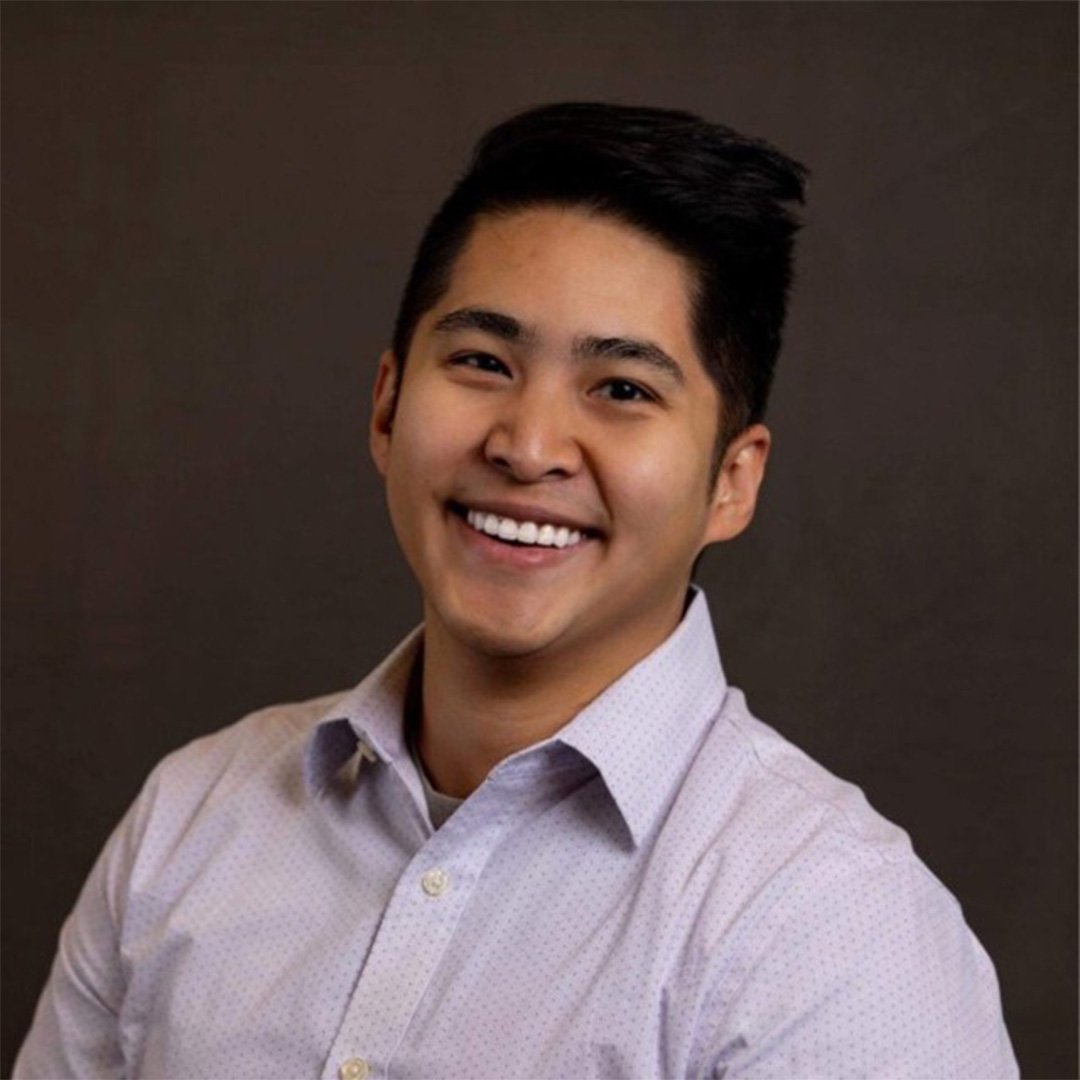
Meet Nam Pham, an Evening MBA student and Environmental, Health, and Safety (EHS) process safety program manager at Microsoft.
What is your concentration?
My concentration is Strategy and Innovation, along with the TI:GER Program.
What initially interested you about the TI:GER program?
I was drawn to TI:GER because it focuses on how new technologies become businesses. My background is heavily technical, but I wanted exposure to the decision-making that happens before something gets built.
What were you hoping to gain from the program when you enrolled?
I wanted to build the ability to evaluate new ideas beyond their technical feasibility. Specifically, I was looking to strengthen how I assess market opportunity, define clear value propositions, and evaluate how solutions scale within a business.
I also wanted to develop a more strategic mindset so I could contribute to higher-level decisions around technology direction and investment.
Was there a specific moment or conversation that helped you decide TI:GER was the right fit for you?
I spoke with several TI:GER students, but what really confirmed my decision was attending the information session on September 10, 2025.
Seeing how the program connects real technologies with business decision-making made it clear that it aligned with the direction I wanted to take in my career after my MBA. At that point, it just made sense.
I was particularly drawn to how TI:GER goes beyond evaluating a technology and instead focuses on whether it solves a meaningful customer problem, creates business value, and can succeed in the market. That combination of technical innovation and commercial strategy was exactly the experience I was looking for.
What skills did you develop or strengthen most through your TI:GER experience?
First, I strengthened how I evaluate technologies in the context of business decisions, not just technical performance.
Second, I became more structured in my approach to customer needs, value creation, and scaling opportunities.
Third, I developed confidence leading business discussions in highly technical teams. For the first time, I was responsible for driving the strategy conversation, even while working with Ph.D.-level engineers.
How did the program challenge you in ways you didn’t expect?
The biggest challenge was dealing with ambiguity. Unlike my work environment, there was no clear problem statement or complete data set. I had to make decisions with incomplete information, which pushed me to rely more on judgment and structured thinking.
What was it like collaborating with students from other disciplines?
It required me to adjust how I contributed. Technical discussions often went deep on the solution, while I focused on connecting that work to the business case and end user. Learning how to align those perspectives was a key part of the experience.
When discussing product features, my engineering Ph.D. teammates often focused on technical capabilities, while I helped redirect the conversation toward customer needs, market demand, and how those features would create value for users. Working through those different viewpoints helped the team make more balanced decisions.
How did the program help connect classroom learning to real-world impact?
TI:GER forced me to apply what I learned immediately. Whether through discovery interviews or evaluating real technologies, I had to use classroom concepts to make practical decisions. It turned theory into something I could directly use in my current role.
How has your TI:GER experience shaped your goals after graduation?
It clarified that I am less interested in joining another startup and more interested in roles where I can evaluate and scale new technologies.
It also strengthened my interest in management consulting and venture capital, where I can focus on assessing opportunities and shaping how ideas turn into viable businesses.
If you could describe the program in one sentence to a prospective student, what would you say?
TI:GER teaches you how to evaluate and shape new technologies into real business opportunities by working on them firsthand.