The TI:GER Program (Technology Innovation: Generating Economic Results) at the Georgia Tech Scheller College of Business merges classroom instruction, technology innovation projects, and practical, real-world experiences. It brings together MBA and Ph.D. students who collaborate in teams to develop their entrepreneurial ideas into impactful technology innovation projects.
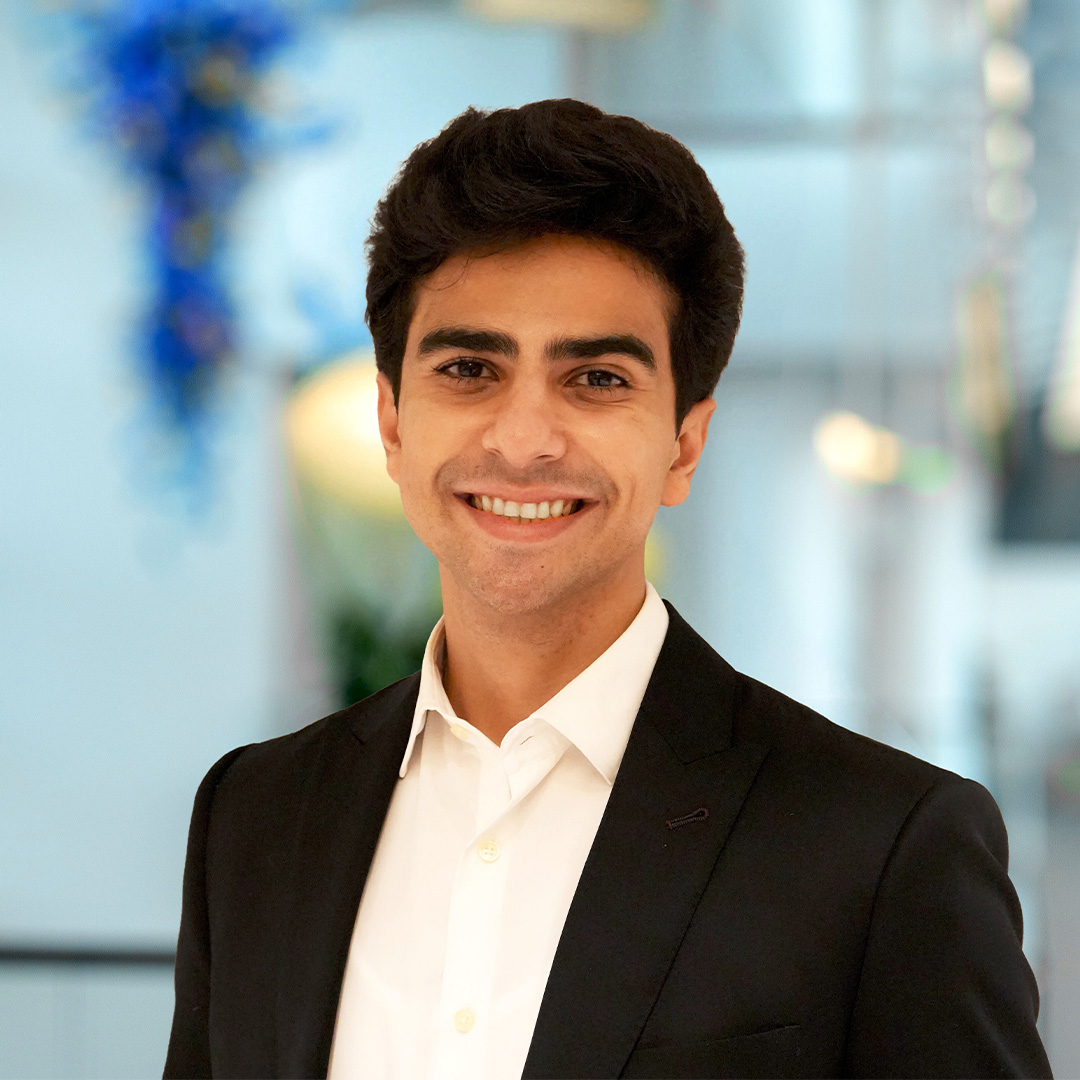
Meet Wajahat Latif, an Evening MBA student and senior product manager at S&P Global.
What is your concentration?
My concentration is TI:GER!
What initially interested you in the TI:GER program?
A couple of things stood out right away. First, the opportunity to simulate a startup
experience by working on a real problem of our choice and taking it from ideation to commercialization was incredibly exciting. It offered a chance to see the full journey of building something from scratch, which directly complements my work as a product manager.
Second, the idea of collaborating with a cross-functional team of MBA and Ph.D. students really appealed to me. It taps into my engineering roots. Even now, I enjoy rolling up my sleeves and diving deep into problems from an analytical perspective, so working alongside people with a similar mindset was a big draw.
What were you hoping to gain from the program when you enrolled?
I wanted to broaden my understanding of product work by experiencing the full scope of building a business around a problem, from identifying the opportunity to bringing a solution to market.
Was there a specific moment or conversation that helped you decide TI:GER was the right fit for you?
TI:GER was actually one of the main reasons I chose Georgia Tech for my MBA. I was specifically looking for a program that offered hands-on, startup-focused experiential learning, and TI:GER stood out in that regard.
Writing this now feels like a bit of a full-circle moment. I remember reading testimonials from past students when I was considering the program, and now I get to reflect on that experience myself.
What skills did you develop or strengthen most through your TI:GER experience?
I developed a range of practical skills, including conducting effective customer interviews, market segmentation, identifying a beachhead market, and using the entrepreneurial compass to define business strategy. These are all part of the 24 Steps of Disciplined Entrepreneurship, which has been a core framework in the program.
I’m looking forward to diving deeper into business model design in the next phase of the program.
How did the program challenge you in ways you didn’t expect?
The program really highlighted the level of rigor required to build a successful business. The 24-step framework is comprehensive, and when applied properly, it demands a lot of discipline and structured thinking. It pushed me to be more methodical in my approach but also showed me how that rigor translates into meaningful insights and stronger outcomes.
What was it like collaborating with students from other disciplines?
It was a fantastic experience. I worked closely with Ph.D. students in electrical engineering and aerospace engineering; both specialized in machine learning. Since our project focused on an AI-based software product, their expertise added a lot of depth to our discussions and decision-making. It made the collaboration both intellectually stimulating and highly relevant to the problem we were solving.
How did the program help connect classroom learning to real-world impact?
One of the biggest connections came from learning through Professor Jonathan Giuliano’s real-world startup experiences. His examples reinforced the iterative approach emphasized in the Disciplined Entrepreneurship framework.
It also highlighted how valuable insights can come from unexpected places, if you know how to look for them and stay open to iteration.
How has your TI:GER experience shaped your goals after graduation?
TI:GER has strengthened my interest in the strategic side of building and scaling products, particularly how to identify the right problems to solve, evaluate market opportunities, and make deliberate trade-offs under uncertainty.
The program has pushed me to think more like a builder and an owner, not just an operator, which is something I plan to carry forward in my career.
If you could describe the program in one sentence to a prospective student, what would you say?
If you’re looking for an MBA experience that gives you a practical, end-to-end understanding of how businesses are built, whether your interests are in entrepreneurship, product, or strategy, TI:GER delivers in a way that few programs do.