“Experience required” is a familiar line in job postings. It’s also a daunting requirement for undergraduate students just getting started in their careers. Many assume meaningful research opportunities are reserved for graduate students or simply don’t know where to begin.
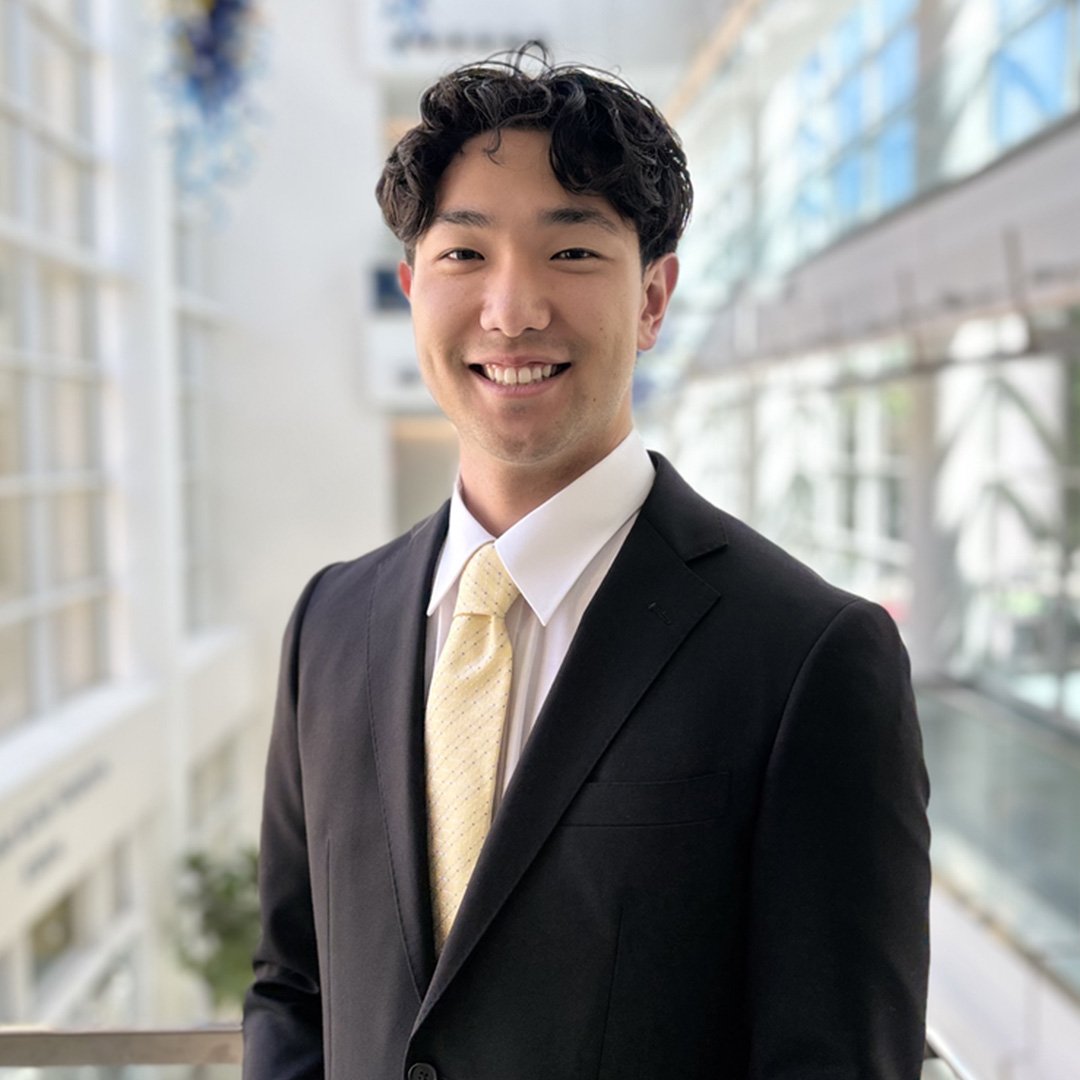
At Georgia Tech’s Scheller College of Business, those opportunities are both accessible and built into the student experience. For students like Takuma Matsuki, B.S. Business Administration ’26, engaging in impactful research begins in the classroom and is as simple as registering for a capstone course.
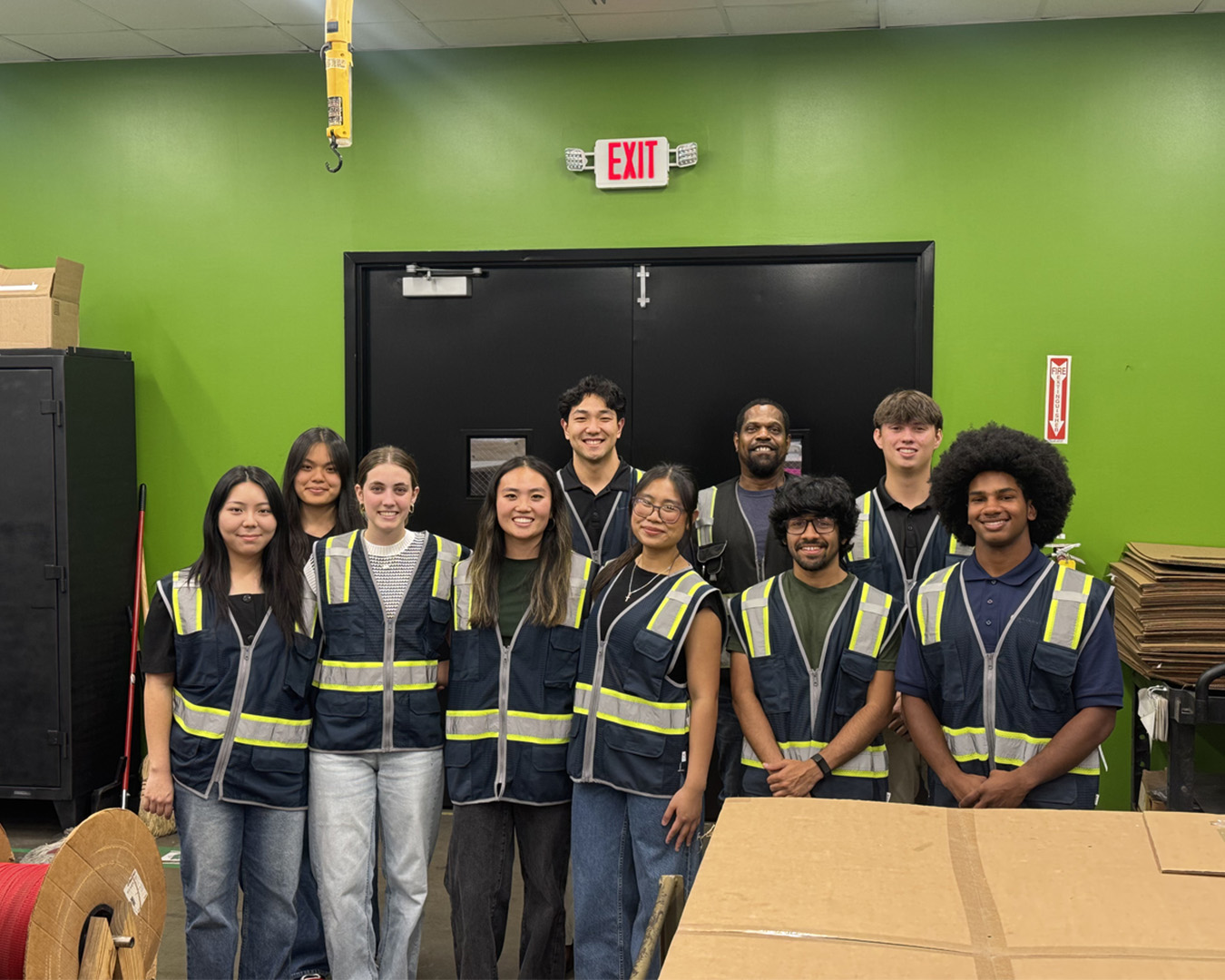
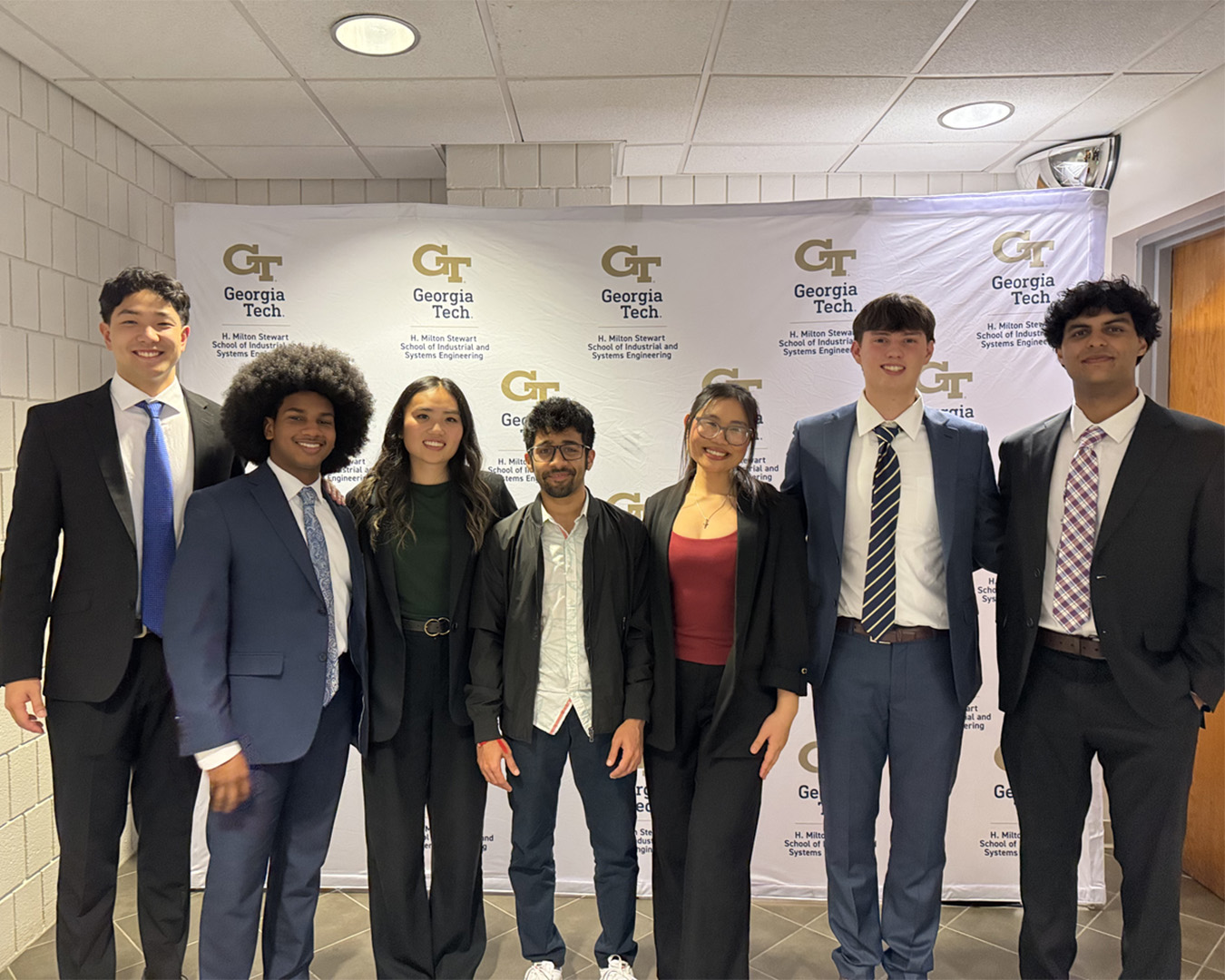
Matsuki was recently named an Outstanding Undergraduate Researcher for his work on a project aimed at optimizing ambulance response times for the 30,000 individuals on Georgia Tech’s campus. Working as part of a multidisciplinary team of 11 undergraduate students representing seven majors, Matsuki’s leadership and analytical rigor helped drive a data-informed approach to improving campus safety and emergency response.
Read on to learn more about Matsuki’s real-world research experience and how undergraduate students can find their own path to research opportunities on campus.
What did receiving the Outstanding Undergraduate Researcher award mean to you as you prepared to graduate this spring?
Receiving this award is the perfect bridge between my academic career and the professional world. As I prepare to graduate, it serves as a powerful reminder that the frameworks we learn at Scheller aren’t just for exams; they have real-world applications that can solve critical problems.
It is a truly meaningful way to cap off my time at Georgia Tech, validating the applied nature of my education and proving that the analytical and leadership skills I developed in the classroom have the power to solve life-and-death problems in our community. It gives me an immense sense of confidence knowing that I am leaving with a proven track record of creating impact in the healthcare sector.
How did you first become involved in this research project as an undergraduate student?
As I approached my final semester, I was determined to find a capstone-level experience where I could apply my business background to a high-impact field like healthcare. I first identified this opportunity through the Scheller student network, hearing great things about the Healthcare Consulting Practicum taught by Professor Bill Todd.
I was immediately drawn to the project’s scope. I knew I had to be a part of it because it offered a rare chance to move beyond theoretical models and tackle a high-stakes, real-world operations challenge that has a direct impact on the Atlanta community.
This project brought together 11 undergraduate students from seven different majors. What was it like working on such a multidisciplinary team, and how did that shape your perspective as a business student?
It was eye-opening. As a business student concentrating in operations and supply chain management, I naturally think in terms of logistics, efficiency, and cost. However, working alongside engineers, premed, and prelaw majors taught me that a business solution is only as good as its technical feasibility and clinical accuracy.
Because this project involved complex entity partnerships, Georgia laws, and clinical ambulance skills, every member brought a unique strength. This experience taught me that the most effective business strategies are those informed by a diversity of thought.
Can you describe your specific role on the project and how your analytical and leadership contributions helped move the work forward?
I focused on the analytical rigor and logistics of our findings, specifically looking at how we could quantify the impact of student EMTs on Grady’s response times. I helped lead the team in synthesizing current operational data and comparing it against a projected 'future state.'
My role often involved translating raw data into a strategic narrative that highlighted how this model could serve as a scalable solution for improving emergency response. By bridging the gap between data analysis and project management, I helped ensure our team stayed aligned and focused on delivering executive-level recommendations.
A unique aspect of this research is its real-world application for the Grady Health System. How did knowing the work would be used in practice influence your approach?
It raised the stakes significantly. When you know you’re presenting your recommendations to the C-suite of Grady Health System, “good enough” isn’t an option. We didn’t just look for interesting trends; we looked for actionable insights. It forced us to be much more meticulous with our data validation because we knew these recommendations could potentially influence how emergency medical services are delivered to thousands of people. It turned the research into a professional responsibility.
What skills did you develop through this experience that you didn’t expect when you started?
While I expected to sharpen my healthcare-specific data analysis skills, I didn’t expect to develop such a high level of emotional intelligence and stakeholder management. Healthcare is a unique and complex web of people, not just data points. Learning how to weigh different stakeholder needs and navigate the human elements, such as how operational changes impact staff burnout, gave me a much more empathetic view of operations management that I will carry with me forever.
For other Georgia Tech undergraduates who may be interested in research but aren’t sure where to start, what resources, programs, or people were most helpful to you along the way?
The most helpful resource for me was building relationships with professors who are active in the fields I’m interested in. I engaged in several coffee chats with mentors outside of the classroom, which naturally led me toward this research. My advice to others is to seek out those connections early. Scheller has an incredible network of experts who are eager to help students bridge the gap between business theory and industry practice.
As you think about your next steps after graduation, how has this research experience influenced your career goals or the way you think about solving complex problems?
This project solidified my desire to pursue a career at the intersection of people, process, and data. It showed me that I thrive when tackling messy problems where the stakes are high and the data is complex. Moving forward, I want to use my operations background to drive evidence-based outcomes in healthcare, ensuring that business efficiency always translates into better human care.